How to Trade Futures While Working a Full-Time Job

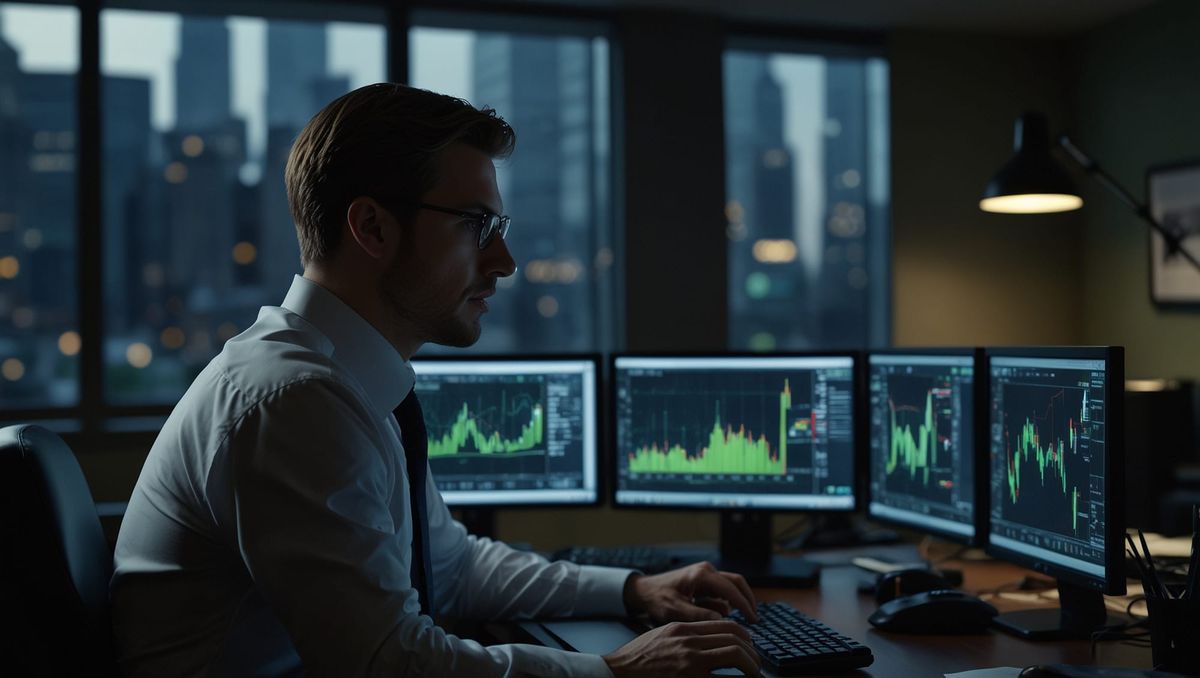
One of the most common struggles in the trading community right now: "I want to trade, but my job won't let me."
A trader in a recent Reddit thread captured this perfectly:
"I'm trading NY AM (NQ) but I work a full-time office job in Europe with a pretty strict boss, and I can't step away during the open. My boss is also very against trading during work hours. I sometimes end up trading discreetly, which isn't ideal and adds pressure."
Sound familiar? You've got a strategy. You know the market. But life gets in the way—specifically, the 9-to-5 life that pays your bills while you build toward financial independence.
Let's break down the real solutions traders are using, and why one option stands above the rest for those serious about both their career and their trading.
The Core Problem: Time Zone Misalignment
If you're in Europe trading US markets, the NY open (9:30 AM EST) hits during your afternoon work hours. If you're in Asia, it's the middle of the night. Even US-based traders working standard office jobs face the same dilemma—the best market action happens when you're supposed to be doing something else.
The result? You're sneaking glances at your phone, ducking into the bathroom to check charts, or "working from home" while trying to scalp the open. None of these are sustainable strategies. They hurt your trading and your job performance.
Manual Solutions (That Actually Work)
The trading community has developed several workarounds. Here's what's actually practical:
1. Trade a Different Session
Futures markets are nearly 24 hours. You don't have to trade the NY open.
- London Session (3 AM - 12 PM EST): Often cleaner price action with less volatility than NY. If you're in Europe, this aligns with your morning.
- Asia Session (6 PM - 3 AM EST): Lower volume, but trends can develop overnight. Perfect if you have evening availability.
- Power Hour (3:00 - 4:00 PM EST): If you get off work by 2 PM EST, you can catch the market close.
As one experienced trader put it: "I trade Asia more often than not. It's rare I can trade US due to my career and what I'm focused on at work."
2. Move to Higher Timeframes
Day trading requires constant attention. Swing trading doesn't.
By analyzing daily and weekly charts, you can place limit orders before work, set your stop loss and take profit, and let the market come to you. You don't need to watch every candle—just check in during lunch or after hours.
3. Set-and-Forget Limit Orders
This is the "bathroom break strategy":
Before work, do your analysis. Place limit orders at key levels with predetermined stop losses and take profits. Then step away. Use quick breaks to scan for new opportunities if your orders didn't fill.
It's not elegant, but it works for many part-time traders.
The Hidden Cost of "Trading Discreetly"
Here's what nobody talks about: sneaking trades at work destroys your edge.
When you're watching charts under your desk, you're not trading—you're gambling under pressure. Your attention is split. Your stress is elevated. You can't think clearly because half your brain is worried about your boss walking by.
The psychological impact is real:
- You exit winners early because you can't babysit the trade
- You hold losers too long because you can't access your platform
- You revenge trade when you miss moves
- You make impulsive decisions because you can't do proper analysis
One trader summed it up bluntly: "This is the perfect scenario to lose a lot of money."
If your trading requires you to hide from your employer, something needs to change.
The Automation Solution
Here's the truth most traders eventually realize: if you can't physically watch the market, you need something that can watch it for you.
This is where automated trading strategies come in.
A well-designed automated system doesn't care about your work schedule. It doesn't get distracted in meetings. It doesn't panic when price moves against it. It executes your plan—every time, without emotion.
For futures traders specifically, automation solves the core problems:
- Timezone conflicts? The bot trades while you sleep or work.
- Can't watch the open? The algorithm handles entries and exits.
- Boss breathing down your neck? Focus on work knowing your strategy is running.
The key is finding a system that matches your risk tolerance and trading style—not some black-box that makes mysterious decisions, but logic you understand and can verify.
What to Look For in Automated Trading
If you're considering automation, here's what matters:
- Transparent Logic: You should understand why the system takes trades. If it's a mystery, you won't trust it during drawdowns.
- Risk Management Built In: Fixed stop losses, daily loss limits, EOD position flattening. Non-negotiable.
- Prop Firm Compatible: Many traders use funded accounts. Your automation needs to work within those rules.
- One Trade Per Day Maximum: Less is more. The best automated systems are selective, not hyperactive.
- Works While You're Gone: The whole point is removing yourself from the equation during market hours.
The Bottom Line
You have options:
- Trade a different session that fits your schedule
- Shift to swing trading on higher timeframes
- Use set-and-forget limit orders
- Or let automation handle execution entirely
The worst option? Continuing to trade discreetly at work, damaging both your career and your trading results.
Your job funds your trading account. Protect it. Find a solution that lets you do both—whether that's adjusting your strategy or letting technology do the heavy lifting.
The market will be there tomorrow. Make sure your job is too.
What strategies do you use to balance trading with a full-time job? Share your experience in the comments below.