Your Strategy Matters Less Than Your Sleep Schedule (The Overlooked Edge)
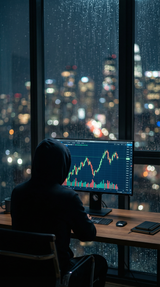
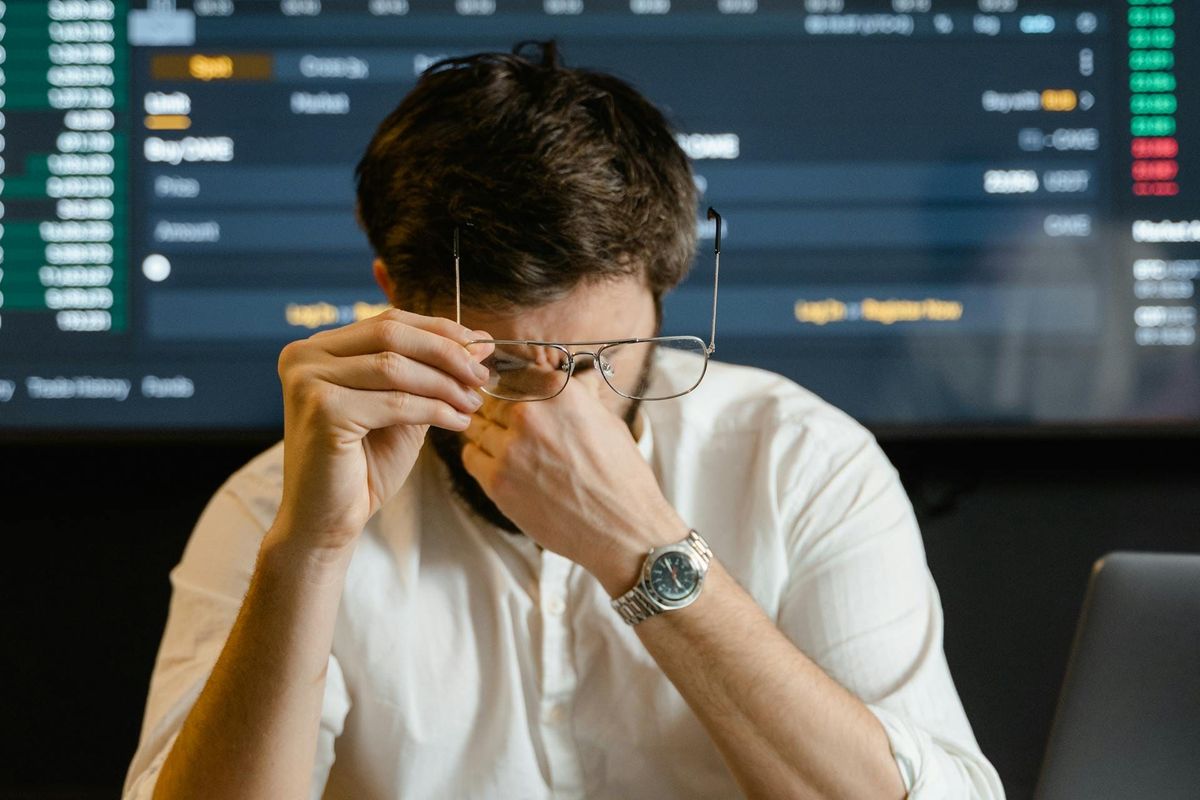
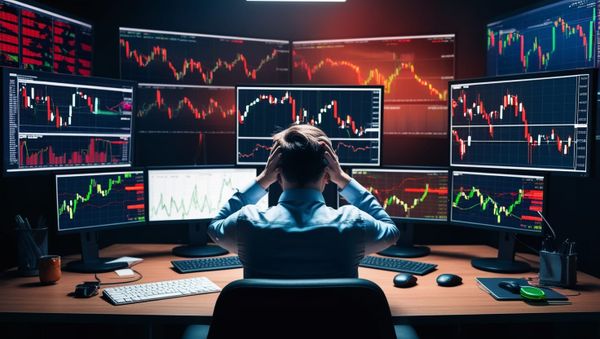
Three years of trading. Hundreds of hours studying charts. Dozens of backtests. And the breakthrough came from... sleeping more?
A recent post on r/Daytrading sparked a debate that veteran traders know well: "Sleep and rules beat any indicator."
The comment section exploded with traders sharing similar revelations. One wrote: "The 2 trade rule is underrated. I do something similar, 3 trades max and I'm done for the day no matter what. Before that I would have one good trade and then give it all back plus some trying to 'maximize the day.'"
Another added: "The hardest part of trading is walking away when there's nothing to do. Or worse, walking away when you just lost and want to make it back."
These aren't strategy tips. They're lifestyle tips. And that's exactly the point.
The Science Your Trading Mentor Never Mentioned
Here's what neuroscience research says about sleep-deprived trading:
A single night of poor sleep:
- Reduces activity in the prefrontal cortex (your decision-making center)
- Impairs working memory and analytical thinking
- Disrupts emotional regulation
- Shifts your risk profile from "defensive" to "gain-seeking"
That last one is devastating for traders. A 2011 study in the Journal of Neuroscience found that sleep deprivation fundamentally changes how we evaluate risk. Well-rested traders defend against losses. Sleep-deprived traders chase gains.
Sound familiar? That's the exact mental state that leads to revenge trading.
The Error Rate Problem
Research shows that sleep deprivation increases error rates by 20-30% in decision-intensive tasks. For traders, this translates directly to:
- Missing key signals on charts
- Miscalculating position sizes
- Executing orders incorrectly
- Failing to recognize patterns you'd normally spot instantly
One TradingView analysis put it bluntly: "With a foggy mind, traders may overlook critical data or misinterpret price action. This cognitive sluggishness can seriously undermine even the most experienced traders' performance."
You can have the best strategy in the world. If you're running it on a brain that's operating at 70% capacity, you're trading with a handicap.
The Compounding Mistake Spiral
Here's where it gets ugly.
Sleep deprivation doesn't just cause one bad trade. It creates a compounding spiral of mistakes:
- You're tired, so you miss an early setup
- Frustrated, you chase an entry you shouldn't take
- The trade goes against you, triggering emotional reactions
- With impaired judgment, you move your stop or average down
- Now you're in a bigger hole, and your confidence is shot
- The next trade is influenced by this emotional state
One tired morning can cascade into a blown week. And because sleep deprivation impairs your ability to reflect and learn from mistakes, you might not even recognize what happened.
This is why experienced traders on Reddit keep emphasizing rules over indicators. The 2-3 trade maximum isn't about strategy optimization—it's about preventing the spiral before it starts.
The Prefrontal Cortex Tax
Your prefrontal cortex is responsible for:
- Decision-making under uncertainty
- Impulse control
- Emotional regulation
- Planning and executing complex tasks
When sleep-deprived, activity in this region drops significantly. Meanwhile, your amygdala (the emotional reaction center) becomes more active.
Translation: You become more reactive, more impulsive, and less capable of executing the disciplined trading you practiced in backtests.
Jesse Livermore, often called the greatest stock trader of all time, reportedly emphasized the need for a clear mind and rest before making big moves. Modern neuroscience confirms what he knew intuitively a century ago.
Why Automation Solves the Sleep Problem
Here's the uncomfortable truth about manual trading: it requires you to be at peak performance during market hours.
The New York open happens at 9:30 AM Eastern. The London open is 3:00 AM Eastern. If you're trading futures, the best setups might appear when you should be sleeping.
This creates an impossible choice:
- Trade tired and accept diminished performance
- Miss optimal setups to prioritize rest
- Try to "catch up on sleep" (which science shows doesn't fully work)
Automated trading eliminates this problem entirely.
When your strategy executes itself, your sleep schedule becomes irrelevant to your trading performance. The bot doesn't get tired at 3 AM. It doesn't revenge trade after a loss. It doesn't chase gains because it didn't sleep well.
→ StealthScalp runs one trade per day, automatically, without requiring you to be awake or alert. Your edge executes whether you slept 4 hours or 10.
The Physical Foundation for Trading Success
The Reddit thread touched on something deeper: trading is a performance activity.
Just like athletes optimize sleep, nutrition, and recovery to compete at their best, traders need to treat their physical state as part of their edge.
Here's what the data suggests works:
Sleep Hygiene for Traders
Consistency beats duration. Going to bed and waking up at the same time (even on weekends) keeps your circadian rhythm stable, improving both sleep quality and morning alertness.
Blue light is real. Checking charts before bed suppresses melatonin production and delays sleep onset. At least 30 minutes of screen-free time before bed makes a measurable difference.
Evening nutrition matters. Heavy meals, caffeine, and alcohol close to bedtime disrupt sleep architecture. Light snacks with sleep-supportive nutrients (almonds, chamomile tea) work better.
Exercise helps—but timing matters. Physical activity improves sleep quality, but exercising right before bed can be too stimulating.
The Trade Limit Connection
The "2 trade rule" mentioned in the Reddit thread isn't arbitrary. It's behavioral engineering.
By limiting yourself to a fixed number of trades—regardless of outcome—you prevent the tired-brain cascade. You can't revenge trade if you've already hit your limit. You can't "maximize the day" into a loss if you're forced to walk away.
One trader explained: "The hardest part of trading is walking away when there's nothing to do."
When you're well-rested, you can trust yourself to make that call. When you're sleep-deprived, you need rules that make the call for you.
→ StealthScalp takes this to the extreme: one trade per day, then done. No tired decisions. No opportunity to spiral. The rule is built into the automation.
What This Means for Your Trading
If you're spending hours perfecting your strategy while surviving on 5 hours of sleep, you have the equation backwards.
The path to consistent profitability might not be another indicator or a better entry technique. It might be:
- Going to bed at the same time every night
- Setting hard trade limits and actually following them
- Recognizing that "trading more" doesn't mean "earning more"
- Admitting that your physical state affects your mental edge
As one Reddit commenter summarized it: "Sleep and rules beat any indicator."
They're not wrong.
The Automation Advantage
There's a reason professional trading firms invest heavily in algorithmic systems. It's not just about speed—it's about consistency.
Algorithms don't have bad sleep nights. They don't feel frustrated after losses. They execute the same strategy, the same way, every single time.
For retail traders, this same advantage is now accessible. Instead of trying to be perfectly rested and emotionally balanced every trading day, you can build (or use) automation that removes the human performance variable entirely.
→ Explore StealthScalp — one trade per day, fully automated, so your edge doesn't depend on how well you slept.
Final Thoughts
Three years in, the Reddit trader realized something profound: the problem wasn't the strategy.
It was the late nights reviewing charts. The 5 AM wake-ups to catch the London open. The "one more trade" mentality when already tired. The compound effect of operating at diminished capacity day after day.
The breakthrough wasn't technical. It was biological.
Your brain is the ultimate trading tool. Treat it that way.
Inspired by community discussion on r/Daytrading and neuroscience research on sleep deprivation and decision-making. Want to remove the human performance variable from your trading entirely? StealthScalp automates one trade per day on NinjaTrader—no tired decisions required.