Screen Addiction Is Killing Your Trading (Not Your Strategy)
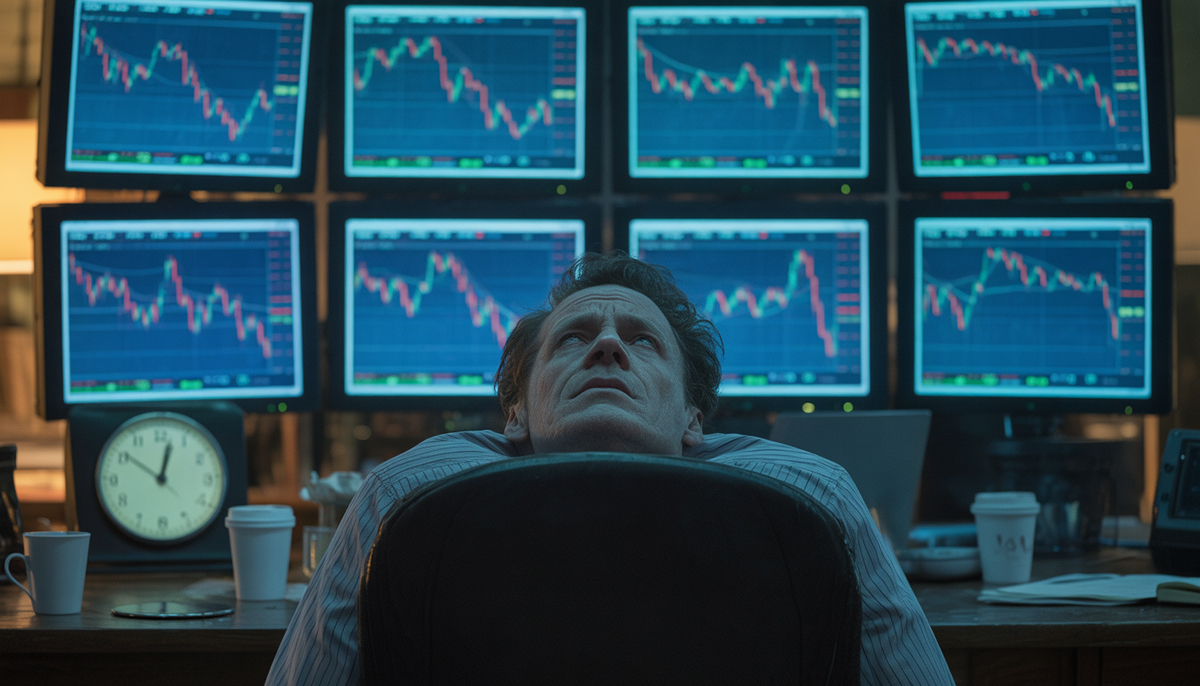
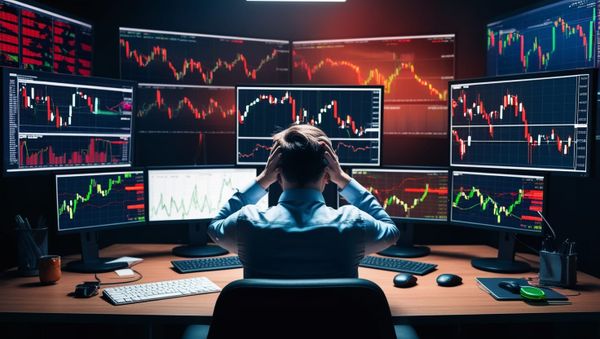
Trading is not a 9-to-5 job. But somewhere along the way, many traders convinced themselves that sitting in front of six monitors for eight hours straight equals "grinding."
It doesn't. It equals burnout.
A viral Reddit post from r/Daytrading this week put it perfectly: "Staring at the 1m/5m chart for 6 hours isn't grinding. It's just feeding an addiction."
The post struck a nerve with hundreds of traders—and for good reason.
The Corporate Mindset Trap
Here's the uncomfortable truth: most of us spent decades being programmed to believe that time at a desk equals productivity. Show up early, stay late, and good things will happen.
That logic destroys trading careers.
The market doesn't care how many hours you put in. It doesn't reward "hustle" or attendance. It rewards good decisions made at the right time—nothing more.
When you force yourself to sit and watch every single candle, you're not being disciplined. You're training your brain to see setups that aren't there, just to feel like your time was "worth it."
What Screen Addiction Actually Looks Like
Here's how it usually plays out:
- You wake up and immediately check pre-market charts
- You watch the 9:30 open "just to see what happens"
- By 10:30, your high-probability window has passed but you keep watching
- You start seeing "potential setups" in random noise
- You take a trade you shouldn't, just because you've been staring for two hours
- You lose
- You stay longer to "make it back"
Sound familiar?
This isn't trading. This is gambling with extra screens.
The 90-Minute Workday
The best traders in the world don't stare at charts all day. They know exactly when their edge shows up, and they're only present for that window.
If your strategy works best during the first 90 minutes of the New York session, then your workday is 90 minutes. Period.
Everything after that isn't "opportunity"—it's noise. And noise breeds bad decisions.
The hardest skill in trading isn't reading charts or managing risk. It's closing the laptop when there's no edge, even though every instinct screams that you should be "doing something."
Why We Do It Anyway
Let's be honest about what's really going on:
Dopamine addiction. Each price tick releases a micro-hit of anticipation. It's the same mechanism that keeps people scrolling social media or playing slot machines.
Fear of missing out. What if the move of the year happens the moment you step away? (Spoiler: it won't. And even if it does, chasing one move doesn't make a career.)
Sunk cost fallacy. You've already been watching for three hours. Leaving now feels like "wasting" that time. So you stay... and actually waste more.
The productivity illusion. Screens = work in our brains. Walking away = lazy. This is corporate programming, not market reality.
What Successful Traders Do Instead
1. Define your edge window. Know exactly which hours give you the highest probability setups. Trade only those hours.
2. Set a maximum trade count. Two or three well-selected trades beat twenty random ones every time.
3. Walk away after your last trade. Win or lose, you're done. The review can happen later.
4. Use the extra time productively. Backtest. Journal. Exercise. Build something. These activities actually improve your trading—unlike watching candles form in real time.
5. Track screen time honestly. How many hours did you actually trade profitably? How many were just watching?
The Uncomfortable Question
Ask yourself this: How much of your trading income can you attribute to being present for a specific moment, versus how much did you lose because you were overtired and overexposed?
For most struggling traders, the math doesn't look good.
The market will still be there tomorrow. The setup you missed will appear again next week. But the mental capital you burn by staring at screens for six hours? That compounds negatively.
Clock out. Save your mental capital for when it actually counts.
The Bottom Line
Successful trading looks nothing like the movies. There's no frantic typing. No dramatic monitor throws. No all-night sessions.
Real trading is mostly waiting. And waiting is something you can do away from the screen.
If your strategy only presents high-probability setups for 90 minutes a day, then you're a 90-minute worker. Own it. Use the rest of your time to build a life worth trading for.
The market rewards good decisions, not hours logged. Learn the difference, and you're already ahead of 90% of traders still "grinding" at hour six.
---This post was inspired by active community discussions on Reddit's r/Daytrading. The trading psychology insights apply whether you trade futures, forex, or any other market—the screen addiction challenge is universal.